

Wilco’s November deluxe reissue of their seminal album Summerteeth was my favorite rerelease of 2020. Besides a remastered version of the actual album, it contained a disc of demos and alternate takes, and an entire live performance from 2000. Beyond being chock full with great music, the boxset reminded me of just how good Wilco is. It inspired me to take a deep dive through their discography.
One of the joys of growing up is truly realizing what makes you happy, and feeling empowered to make those things so. Well, I’ve realized that I like to rank artists’ discographies, and that’s what I’m going to continue to do. Don’t worry, dear reader, I’ll still do reviews, essays, and playlists, but if I’ve hit upon a topic format that seems rich and I like to do, well, why not do more of it?
Such is a sentiment that meshes well with Wilco. Sometimes referred to as “America’s Radiohead,” the Chicagoans have turned over 25 years from just another alternative band to one of the most consistent and well-respected groups running. Anyone who is aware of their history knows it hasn’t been an easy road, but it seems that they’ve gotten to a place where they feel secure in who they are. One can follow that trajectory through their songs, and especially in Jeff Tweedy’s songwriting. Over the course of 11 albums, he explores concepts of nostalgia, self-doubt, and anxiety, but also of love, revelation, and acceptance. In Tweedy’s songs, amplified by the band’s music, positive and negative thoughts and emotions swirl together until they are less snapshots of one idea, and more a sampling of different stages of life.
In that sense, Wilco was a perfect band for moving into adulthood in my 20s. I had heard of them a bit in high school, but didn’t care to give them a listen until I was moved into my college dorm for freshman year. Caught up in the last hurrah of torrenting, I jumped into the back catalogues of such illustrious outfits as The Flaming Lips, Smashing Pumpkins, Radiohead, and, yes, Wilco. As I listened, I was drawn in by their unique combination of classic songcraft and sonic experimentation. I’ve heard them dismissed by people with no sense of taste as “dad rock,” yet I haven’t heard any “dad rock” with so much feedback, bleeps and bloops, and heart-on-sleeve self-awareness. Their music has come to be a staple in my life as I’ve aged, and I turn to it for both comfort and consolation. Like all great bands, they have a deep catalogue that has clear sonic touchstones yet also varies enough from album to album to keep things interesting. Each release has a distinct feel, and that gives me plenty to pull from no matter how I may be feeling.
So without further ado, here’s my ranking and analysis of every Wilco album. As always, I’m not going to include live albums, rarities compilations, or EPs. But I am going to include their Mermaid Avenue projects with Billy Bragg, not only because they are instrumental in understanding the band’s personality and evolution, but they are also just plain great listens.
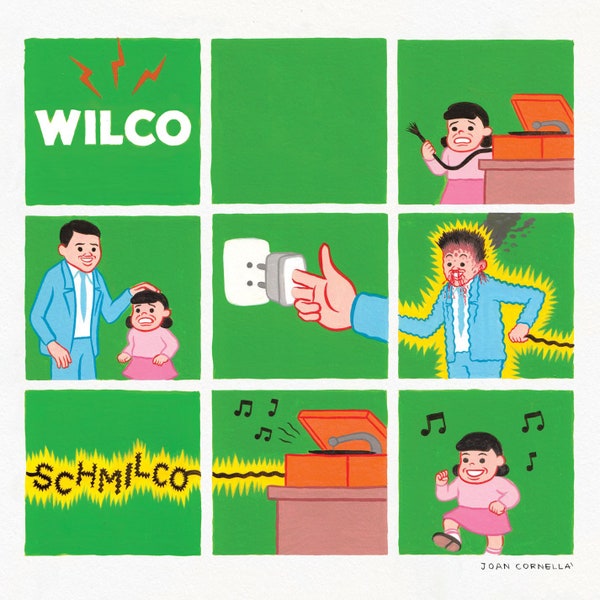
14. Schmilco (2016)
Ideal Listening Situation: Sitting on the porch swing at night
Schmilco was announced shortly after the surprise release of the previous year’s Star Wars, and while it had a much more significant pre-release push, Schmilco is a much more minor album. Not that it’s bad, but it feels very small. Whereas Star Wars was all electric, Schmilco is almost entirely acoustic. Again, that’s not a bad thing, but it does serve to make the record feel lowkey. The arrangements are quiet and the songs are intimate. It’s a reflective album, but not explicitly warm or, conversely, sad, like much acoustic music is usually presented. It’s just nice. And it sounds nice while playing. There’s definitely good songs on here, especially the album opener “Normal American Kids,” and the more you listen, the more you pick out sonic details in the arrangements that bring out the subtle complexity of what the band is doing. That said, it’s so short and so lowkey that it has a way of fading from memory, and in the grand scheme of things is the least impactful Wilco album.
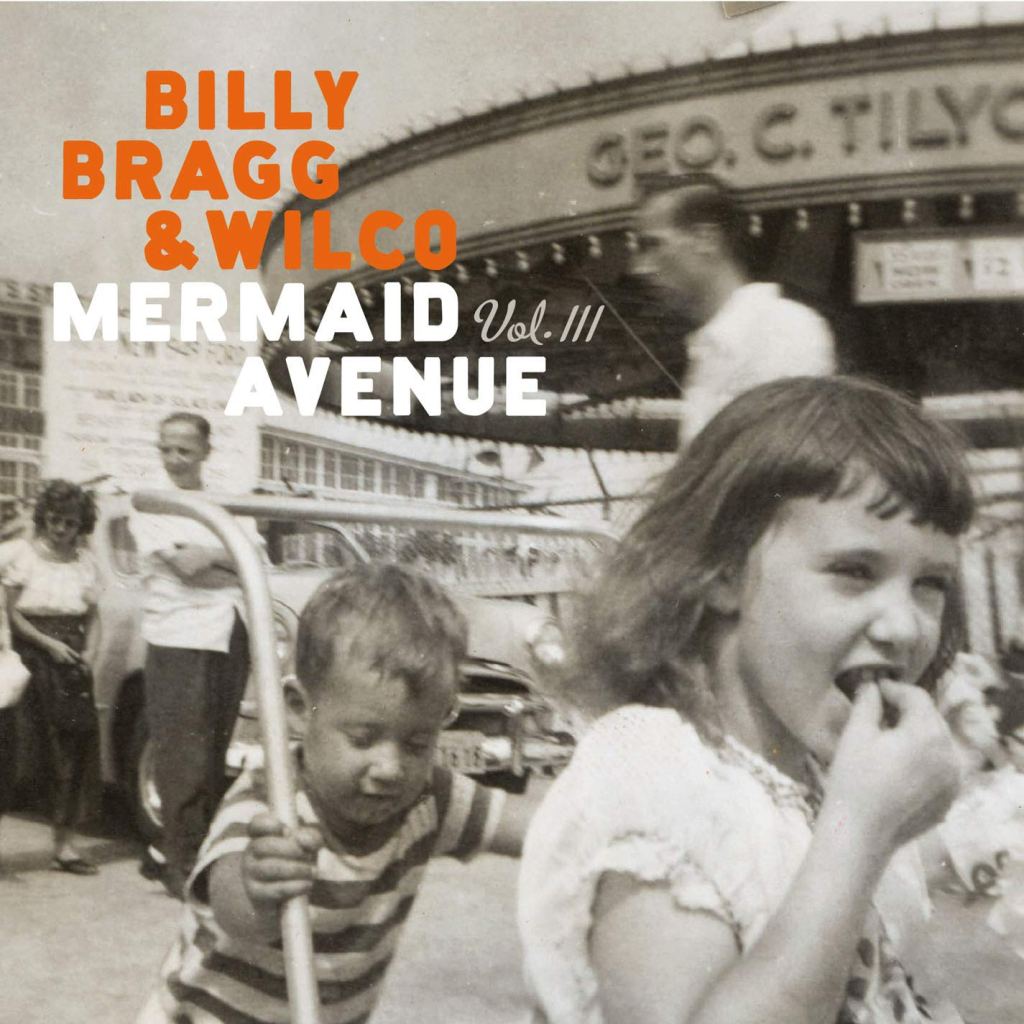
13. Mermaid Avenue Volume III (2012)
Ideal Listening Situation: Sheltering in your car during a rainstorm
This is the third and seemingly final release of the Mermaid Avenue series. The set-up is this: American folk icon Woody Guthrie wrote a lot of songs that were never recorded. His estate drafted British folk musician Billy Bragg to record his own versions of these songs for release. Bragg in turn recruited Wilco to split the work, and they ended up collaborating on the entire project. Their directive was to use Guthrie’s lyrics, but not to emulate his sound. Instead, they were to make the music as if it was their own song. That said the spirit of Woody infuses the series. The collaborators were chosen for their place in the pantheon of Americana that Guthrie spawned, and despite their explicit directive you can tell they drew from his style of composition in recording the music. Volume III isn’t really a new album like the first two, but instead outtakes from the original sessions. As such they are uniformly weaker selections than what we’ve heard already. At the same time their music is so good, and Guthrie’s words still so resonant, that even relatively minor songs are entertaining. The sound is warm and comforting, and sometimes that’s all you need.
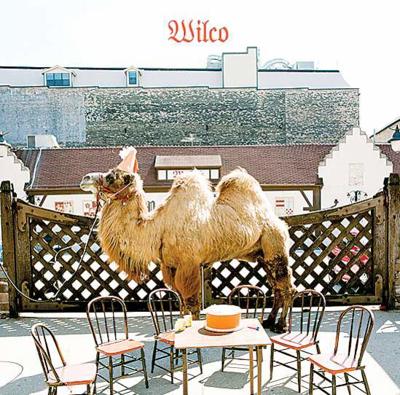
12. Wilco (The Album) (2009)
Ideal Listening Situation: Cooking a large brunch whilst drinking coffee
Wilco (the band) released Wilco (The Album) right as I was getting into them. As such in my mind it marks the divide between “old” Wilco (everything that came out before I was a fan) and “new” Wilco (everything that’s come out since). Coincidently, I came in at the right time, as that divide syncs up pretty well to the band’s actual trajectory. The old line is that a self-titled album represents a statement of purpose from the artist, and if it comes in the middle of an already established career it usually marks a change in direction. In Wilco’s case, The Album doesn’t showcase a change so much as a reconsolidation. This is their second album with the current and longest-lasting lineup, and you can look at this album as a blueprint for what they’d generally sound like from here on out. There’s bouncy melodic rockers, tense and wiry guitar explorations (the darkly funny “Bull Black Nova”), and sweet sentimental ballads. That said, there is a kind of commercial sheen to this release that is not off-putting, but does take away the edge that makes their best stuff so engaging. This is Tweedy announcing that he’s made it through the darkness, and as such it’s a bright happy album, as exemplified in the smiling “Wilco (The Song).” Even though it doesn’t boast the most layered emotions of any Wilco record, it’s great to put on when you want something easy and breezy.

11. Ode to Joy (2019)
Ideal Listening Situation: Enjoying a cold glass of lemonade on the back porch after finishing an afternoon of yard work.
This is Wilco’s latest release, and it seems to be a reflection on the state of the world at the time. Of course, the state of the world got a lot rougher in the year since its release, but it still works as a response to the craziness. Tweedy’s thesis is this: the world is troubled and it’s hard to be a good person amidst the chaos and temptations, yet there’s good to be found in ourselves and our relationships with others. It almost sounds cliche, but is executed very well. Ode to Joy starts out quite subdued, but soon unravels into a very textured record, filled with twining guitars, moody keyboard, and nuanced drumming that rewards repeat listens. (Let me take a moment to say how Glenn Kotche is one of the most inventive drummers in the game; he almost never plays a traditional rock beat yet always lends muscle and drive to Wilco’s music.) Despite its initial lowkey impression, Ode to Joy is much more engaging than Schmilco. Tweedy’s gift for subtle melody has never been more aparrent. The record standout is “We Were the Few”, a nervey guitar showcase as only Wilco can do. From there it moves to the summary “Love Is Everywhere (Beware)” that is a great single, then settles down again with some ruminative couple final tracks. It’s not the first record I’d turn to to introduce someone to the group. But overall it stands as a strong latter-day work from a band that always produces quality, and the way they pack meaning and purpose the songs demonstrates that they are as relevant a rock band as any today.
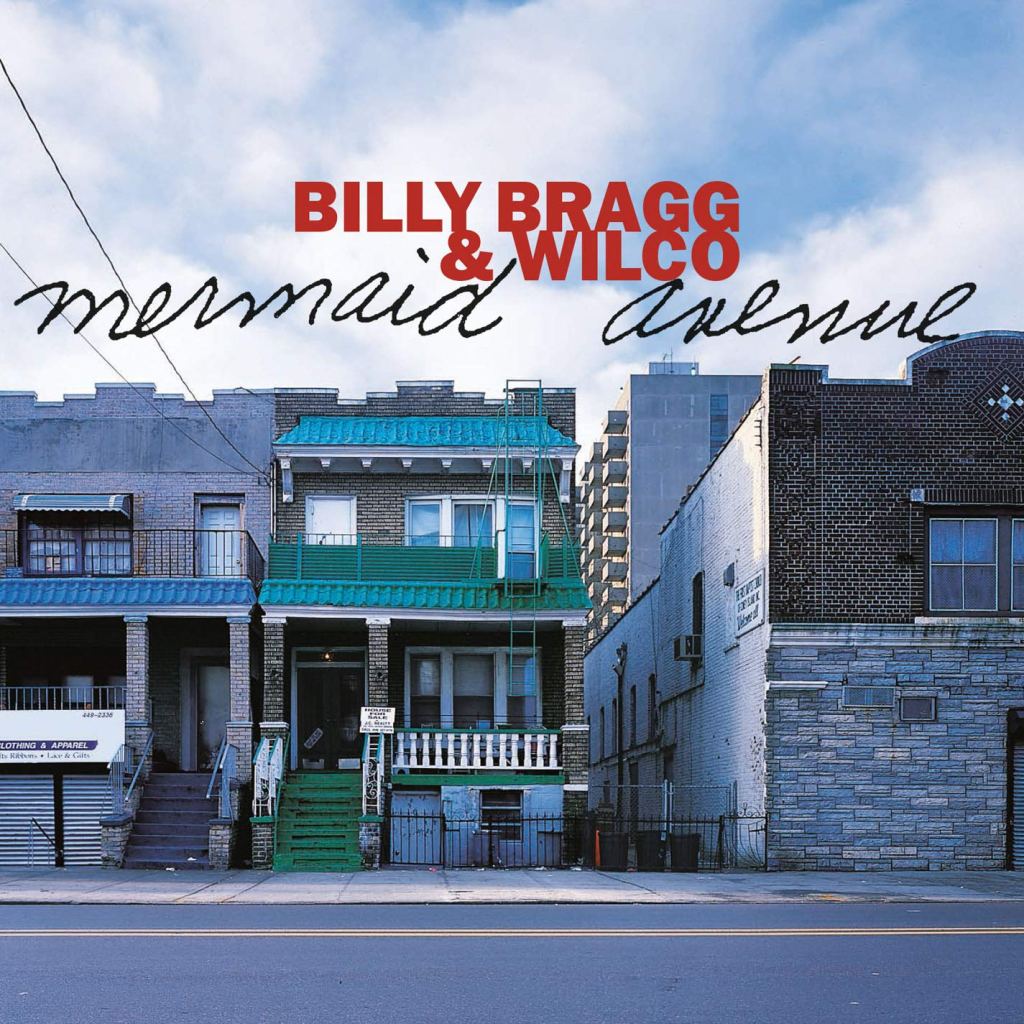
10. Mermaid Avenue (1998)
Ideal Listening Situation: Watching the waves crash upon the shore on a beach in the Pacific Northwest
I feel a little bad about putting this Mermaid Avenue so low on the list, because it’s a very solid album. There’s just so much I like about Wilco’s other official releases. As explained before, this is a recording of unreleased Woody Guthrie lyrics. Billy Bragg is a little more prominent on this one, and his husky voice and deep appreciation for classic folk serves the material well. The best thing about the Mermaid Ave. releases is how much the Wilco songs sound of a piece with the rest of their career. Even though they were written by someone else, you can tell that they picked the lyrics that they identify with most; both Guthrie and Tweedy have a way of using simple and direct imagery to capture nuanced emotions, and both share a deep appreciation for the human connection and natural world around them.
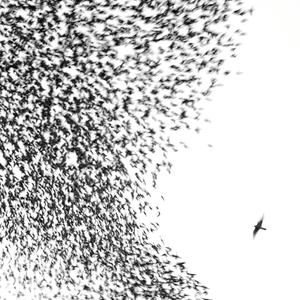
9. Sky Blue Sky (2007)
Ideal Listening Situation: Relaxing at home with the windows open on a nice day
Sky Blue Sky is the first album with Wilco’s current lineup, and it certainly holds together more as a single piece of work compared to the previous A Ghost Is Born. In a reflection of their newfound stability, it’s also one of their least experimental albums. Every song is pretty straightforward in the classic rock sense, which at the time brought them accusations of selling out or becoming boring. I’m not going to speak for everyone’s aesthetic tastes, but overall Sky Blue Sky is a solid record with some great instrumentation throughout. Perhaps some of the traditionalism comes from the two new band members figuring out how to fit into the overall structure, but at the same time it seems like they just wanted to write some tight songs. New guitarist Nels Cline immediately shows off what he brings to the band in “Impossible Germany,” letting loose in a guitar solo for the ages (and it’s even better live). He also gets in some compact shredding into “Side With the Seeds.” Despite the overall sunny vibe, Tweedy’s lyrics alternate between typically anxious (“Hate It Here,” “What Light”) and cautiously optimistic (“Walken,” “Shake It Off”). Again, if you’re looking to hear why Wilco is so acclaimed, this may not be the first to go to. But if you want to hear a great band play some great songs, you can’t go wrong. Oh, this also sports some of my favorite album art.
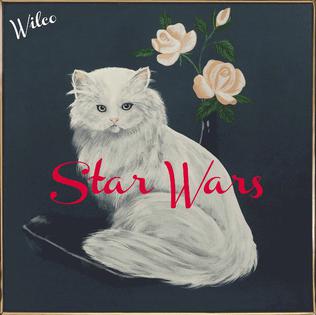
8. Star Wars (2015)
Ideal Listening Situation: Playing video games on your couch
It seems that Wilco got as excited about the return of Star Wars as everyone else in 2015. In interviews Tweedy explained that the name “Star Wars” had nothing to do with the album other than it reminded them of fun and possibility, and the cover likewise is a random picture that hung in their rehearsal loft. The juxtaposition between the two is both clever and tossed off, much like the album they adorn. Wilco surprise released Star Wars as a free download a month before it became available to purchase physically, and that sense of spontaneity fuels the entire record. The all-electric tracklist is the shortest in their career, but by far one of their hardest rocking. Many of the songs are buried beneath walls of distortion and feedback, rhythms thrumming along to the beat. There’s such a release of energy and noise that the songs may blur together during the first couple listens, but like most of their stuff part of the fun is digging through the sonic layers to appreciate how it all comes together. “Random Name Generator” and “The Joke Explained” are great songs, clearing the way for “You Satellite.” “You Satellite” is one of their best songs ever, an amazing build of sound and emotion that brings to mind a cross between Sonic Youth and The National, but of course is completely Wilco. In it, Tweedy sings about knowing what he should do and how to do it, but still struggling to follow through. The shifting chiming guitars emphasize such a limbo state, and remind me personally of standing of the cusp of a big life change. Overall Star Wars doesn’t showcase all sides of the band and is short, but it’s one of their best latter day efforts because they consciously don’t care – they just cut loose and have fun making noisy rock.
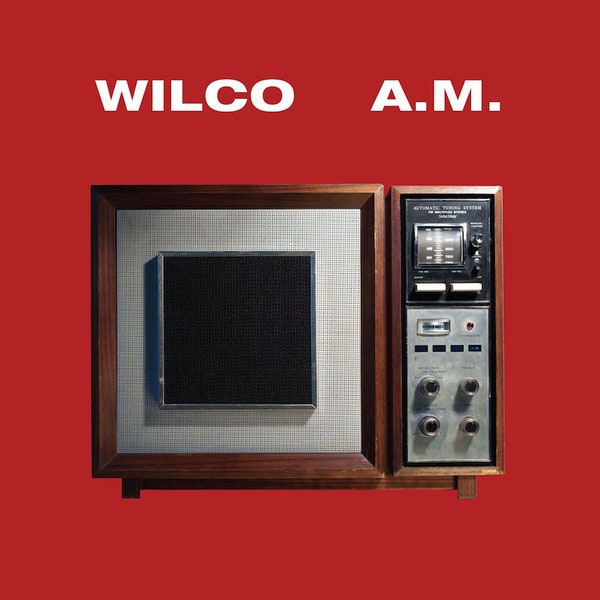
7. A.M. (1995)
Ideal Listening Situation: Playing billiards at a dive bar with the usual gang
This is the band’s first album, and it’s quite different from much of the music they’d make over the next 25 years. First, the origin story: Wilco was formed out of the remnants of the alternative country group Uncle Tupelo, themselves a groundbreaking act. When singer/songwriter/guitarist Jay Farrar left to do his own thing, the rest of the guys, led by Number-Two Tweedy, decided to carry on under a new name. They recruited a lead guitarist who would be gone by their next release, and cut A.M.. The songwriting continued in the vein of Tweedy’s contributions to Uncle Tupelo, except with a slightly more muscular, less country vibe. That said, the presence of multi-instrumentalist Max Johnston on dobro, violin, banjo, and mandolin still brings a strong country bent to the music. A.M. is typically degraded as one of the minor entries in Wilco’s catalogue, but I think it’s great. It’s so unassuming that it retains much of its mid-90s charm to this day. The rockers swing with an abandon not always seen later on, and the ballads are tender and open hearted. The first three songs (“I Must Be High.” “Casino Queen,” and “Box Full of Letters”) are fantastic, and “It’s Just That Simple” is the only song in their discography sung by bassist John Stirrat. “Box Full of Letters” especially is one of my favorite Wilco songs, melodic and cerebral, as Tweedy laments that “I can’t find the time to write my mind the way I want it to read.” I don’t know about you, but I find that very relatable.

6. A Ghost Is Born (2004)
Ideal Listening Situation: Laying on your bed, staring at your rotating ceiling fan
A Ghost Is Born is a transitional record in more ways than one. It was the first made after their epochal Yankee Hotel Foxtrot, so the band was dealing with a whole new level of acclaim and expectations. It is also the first made without longtime guitarist/producer Jay Bennett, which is arguably the bigger issue, as he contributed immensely to their 5 prior releases. Consequently this is the only Wilco album on which Tweedy plays lead guitar, and his jagged, abstract lines give the music an off-centered feel. Many of his songs had revealed a fractured mindset before, but never have they seemed so damaged on the surface – look no farther than opener “At Least That’s What You Said.” The record as a whole is more self-contained than YHF or Summerteeth (no songs merge into each other), yet there’s some quite long songs on here. The krautrock pulse of “Spiders (Kidsmoke)” stretches to over 10 minutes, and “Handshake Drugs” points toward the more six-string centered sound the band would take once they recruited Cline and Pat Sansone. “Theologians” is the first time Tweedy looks at his relationship with religion, a topic he would delve into much more in his later solo career. The album is marred by the penultimate track “Less Than You Think,” which is nothing but 15 minutes of droning electronic synth. It’s a very strange disruption to the album, but it compliments the aimlessness apparently felt by the band during this time. They slide in “The Late Greats” to wrap things up, a witty and wise blast of power-pop to cleanse our palate before sending us off. In conclusion, A Ghost Is Born has mostly stellar tracks and interesting instrumentation, but the overt experiments and unsettling headspace may not make it for everyone.
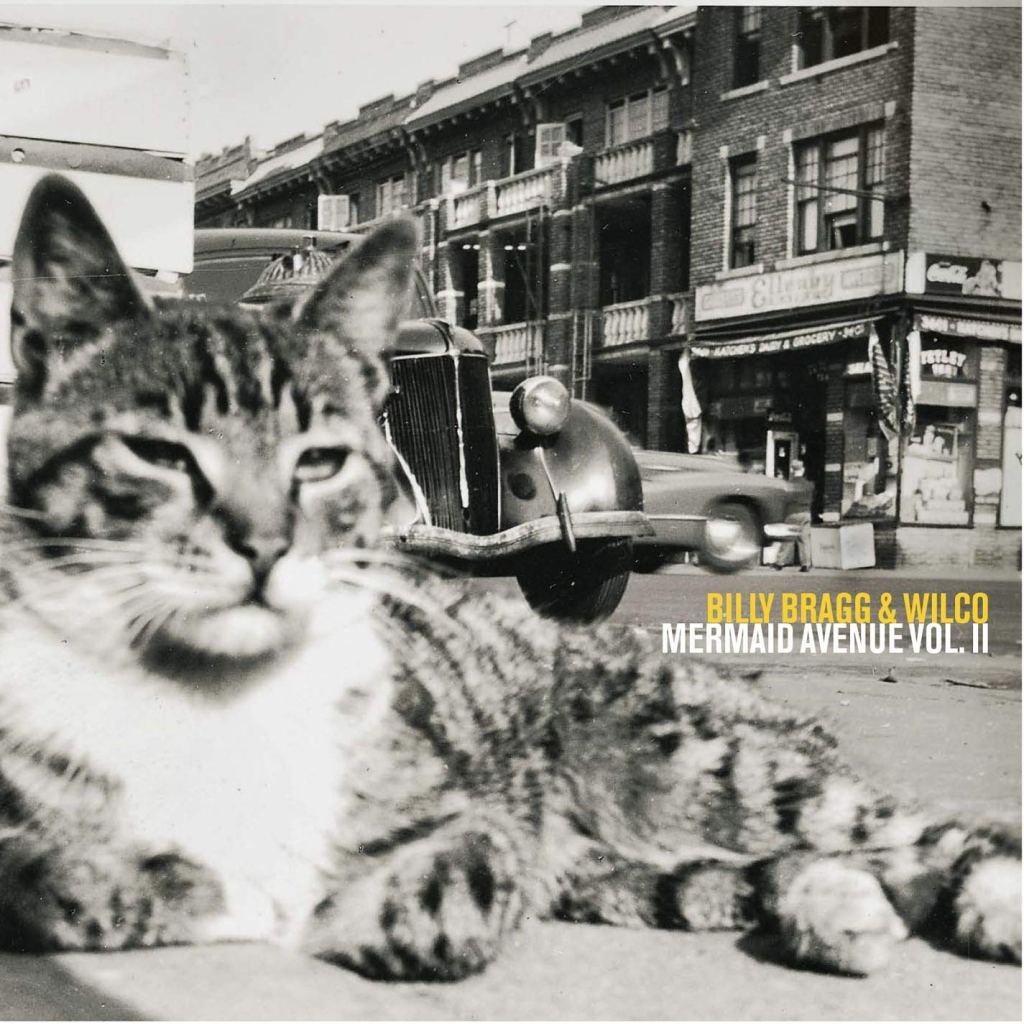
5. Mermaid Avenue Vol. II (2000)
Ideal Listening Situation: At your campsite in the woods of the Appalachian Mountains
Most professional critics seem to favor the first volume, but I find Vol. II much more interesting. That may come from the fact that Wilco is a little more prominent on this one, as apparently they stopped getting along with Billy Bragg so he pulled back a bit from the sessions. That said, some of my favorite cuts on here are Bragg tunes: “Against th’ Law” and “Joe DiMaggio Done It Again” are repetitive yet fun and catchy, and “All You Fascists” spits venom. But then we have the Wilco gems. While “Blood of the Lamb” is an almost unlistenable dirge, opener “Airline to Heaven” is as uplifting as sunlight streaming into a dark room. And “Remember the Mountain Bed” is one of my favorite songs, a beautiful rumination on love, nature, memories, and the places we call home over the course of life.
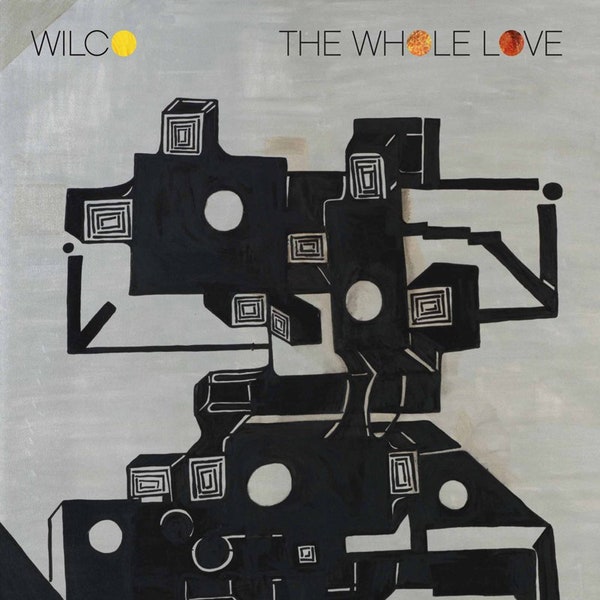
4. The Whole Love (2011)
Ideal Listening Situation: Cracking open a cold one on Friday night as you flex your nice stereo system
What a great album. The band achieves a perfect synthesis between songcraft and sonic experimentation, and perfectly balances rock with balladry. The production is full and weighty but not overdone, and you can really hear what every musician brings to each recording. Opener “Art of Almost” is a glitchy electronic pulse that builds in tension to an almost unbearable level before boiling over into a full on rockin’ jam. “I Might” and “Dawned On Me” are both driven by punchy riffs and great melodies. “Black Moon” is a beautiful ruminative number, and “Capitol City” sticks with me as a reminder of the town where I live. Closing number “One Sunday Morning (Song For Jane Smiley’s Boyfriend)” is an experience unto itself. Tweedy unspools a long acoustic mediation that eventually morphs into a reverie of keyboards, guitars, and synth that drift away into sheer bliss. As the true end of the record it’s perfect, but the deluxe edition adds on a few tracks that are essential listening. “I Love My Label” is fun tongue-in-cheek irony (this is the first album release on their own label), “Speak Into the Rose” is an awesome guitar workout, and the alternate version of “Black Moon” may be better than the original. Overall The Whole Love is the peak of latter-day Wilco, the culmination of everything that they’ve been doing over the past 15 years, yet stands alongside anything that they’ve done.

3. Summerteeth (1999)
Ideal Listening Situation: Going for a long drive down a canopy road on a gorgeous spring day
Summerteeth is a central record in the story of Wilco’s discography, and also one of the very best. At the time it was received as a great leap forward, as the band pretty much entirely ditched their country affectations and jumped into classic Beach Boys/Beatlesqe pop. Mellotron is all over this record, which gives the songs a dreamy quality. At the same time there are still many upbeat, driving moments. “I’m Always In Love” may be their very best single ever (or at least their most immediately catchy). “Nothing’severgonnastandinmyway(Again)” and “ELT” are also great punchy rockers. But this record is deeper than sunny ditties. Jeff Tweedy was struggling with addiction during this time, and his personal demons bubble up through the lyrics. “Via Chicago” is a powerful song, but nothing holds a candle to the darkness of “She’s a Jar,” which ends with the infamous line “she begs me not to hit her.” Despite all this, you never get the feeling that he’s a bad guy, but struggling with demons just like everyone. There’s enough light throughout the album you get the notion that he’s going to pull through, and with the benefit of hindsight we know it to be true. Literally every single song on this is great, but the last one I have to call out is “A Shot in the Arm.” This is my favorite song on the record. While on the surface it seems to be about drugs, it really isn’t: the words are metaphor and combine with the music to somehow crystallize the magic of both love and music. That fact that it’s reprised at the end of the tracklist seems to confirm that the band felt this way too. Even though Summerteeth is held in high regard by fans and musos, I feel like it’s a high water mark of the 1990s and one of the most underrated releases of the decade.
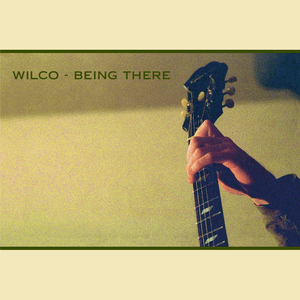
2. Being There (1996)
Ideal Listening Situation: Visiting your old hometown
This is a case of personal taste over objective rating. While I acknowledge that Summerteeth may be a more accomplished project, I like Being There more. Even so, don’t get me wrong – Being There is a classic for a reason. It is only their second album, coming on the heels of a middling debut. Yet they decided to go for broke and release an ambitious double album, and boy howdy do they pull it off. The addition of Jay Bennet on keys opened up their sound in a big way. (He would go on to play lead guitar for the rest of his tenure, and became Tweedy’s main collaborator.) Yes, there are still quite a bit of country-isms in there, including a lot of pedal steel guitar. But it is more part of the overall tapestry of sounds rather than the signature mode, as Wilco draw on the whole gamut of American music from rock to folk to power pop to psychedelia. It puts the record the closest to classic rock that they’ve ever been, and many songs have a very Stonesy swagger and sway to them. The first song on each disc acts as the thesis for the record. “Misunderstood” is like THE Wilco song, and “Sunken Treasure” is a heartfelt look at life through the singer’s relationship to music to which I’m sure any rock fan can relate. Like all great double albums, Being There is full of twists and turns and funky little details that add to the experience of digging in to listen. Track for track the project probably makes the best case as any for Tweedy as a great songwriter, and overall is the warmest, most comforting record in their discography. On top of that it’s probably the one I’ve listened to the most.
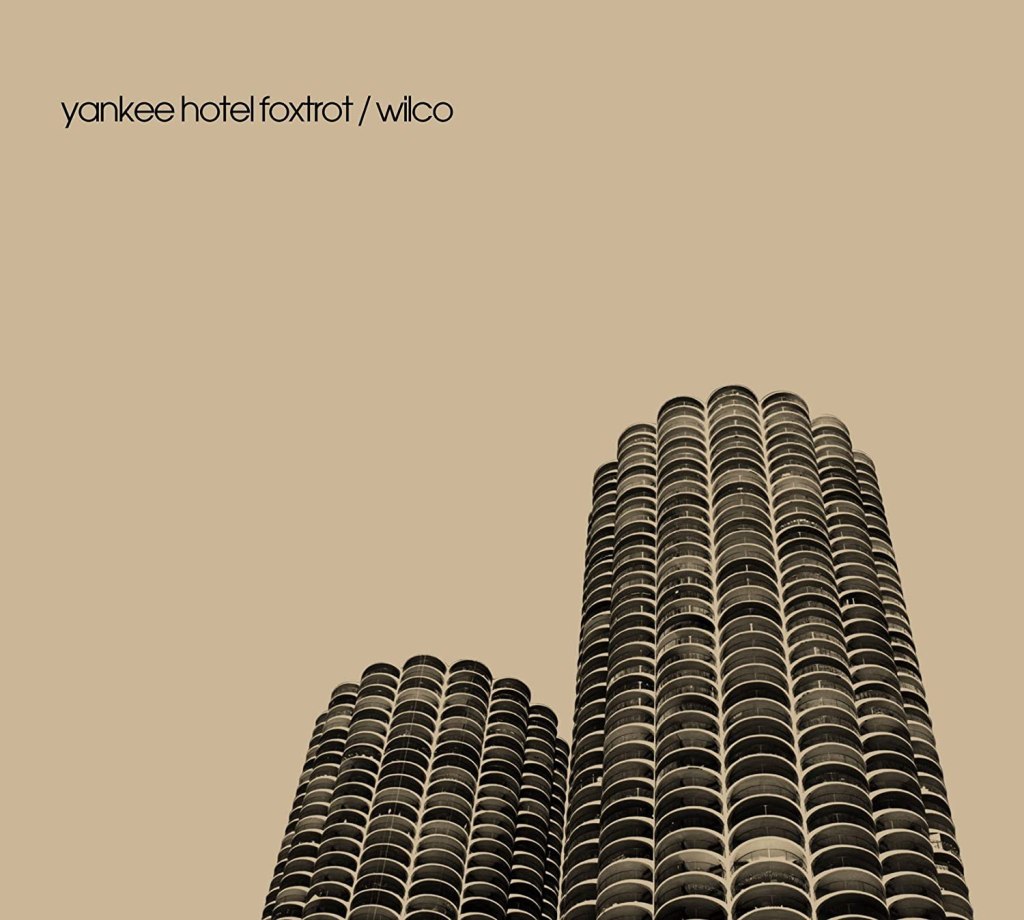
- Yankee Hotel Foxtrot (2001)
Ideal Listening Situation: Walking through your college campus on a cold, foggy morning
Yankee Hotel Foxtrot is legend unto itself. The recording sessions were tumultuous – the relationship between Tweedy and Bennett was collapsing, and Bennett would be kicked out after it was completed. Their label Reprise wanted them to trash it and record something “more accessible,” but the band refused. This led to Reprise dropping them, and Wilco purchased the master tapes from their former label out-of-pocket. They then leaked the album online, and it became such an underground word-of-mouth hit that they were signed by Nonesuch, who then released the record as-is. The ironic thing is that both Reprise and Nonesuch are subsidiaries of Warner Bros. Records, so take that as you will. In any case, YHF became a critical smash, and the band poster-childs for artistic integrity.
Twenty years out, Yankee Hotel Foxtrot stands as one of the definitive albums of the 2000s. It’s at once forward-thinking and extremely nostalgic, not unlike the band that made it. Even though I just wrote that I listen to Being There more often, there is no denying the quality of this record. At the same time, I have to be in a certain mood to listen to it. Pinning down what that mood is exactly is difficult, but I know it when I feel it: contemplative and restless, not necessarily sad, but in need of comforting.
It’s funny, because the way Reprise reacted you’d think it’s some sort of impenetrable dirge of abstract sound, but that is so wrong. The songs are uniformly strong, they are just wrapped in layers of feedback, reverb, and skittering rhythms that add to a sense of searching dislocation and emotional vulnerability. Take opener “I Am Trying To Break Your Heart.” It glides in on a tinkly wave of clattering percussion as the melody slowly forms out of the mist. The lyrics are extremely abstract and borderline nonsensical (“I’m an American aquarium dancer / I assassin down the avenue”), yet the imagery somehow makes sense – they perfectly describe the inner confusion of a crumbling relationship.
It’s hard for me to write about this album without unspooling an essay for each song, but I have to highlight a couple stand-outs. Both “Kamera” and “Heavy Metal Drummer” are bright and bouncy songs about looking a back and appreciating the moments that you didn’t realize were important as you lived them. “Jesus, Etc.” is their most played song on Spotify, which is a little surprising to me, but must speak for something. “Ashes of American Flags,” while written and recorded prior to the 9/11 attacks, is the perfect ruminative response to them. Released just a week after September 11, the song looks at American ennui and identity, and the somber yet uplifting music feels like a tribute to the fallen and our national ability to rise above it.
Finally, I need to shout out “War On War,” which is my favorite Wilco song. It comes in through a bunch of static off the end of preceding track “Radio Cure,” and as the static transforms into a loping synth line, I can’t help but feel excited and clear-headed. It sounds like keyboard man Leroy Bach is playing the main riff on a xylophone, and guitars strum along in the background. It stands as the perfect example of Wilco’s ability to take stray, novel sonic elements and turn them into a coherent, affecting song.
The last time I listened to YHF, I was at home during quarantine and feeling emotionally turgid. A little cabin-fever, a little (perhaps undue) self-deprecation. It started to rain hard. I went out to my back porch and put on headphones. As the rain fell around the overhang and I looked out at the grey, wet world, the music wrapped around me in a perfect compliment, and the words helped me feel that it was going to be alright. By the time the final song “Reservations” was fading away, the sun began to peak through the clouds.
In the middle of their career, Wilco put out an album that can best be described as “searching,” and when you look at their recent releases, you get the notion that they found whatever it is they were looking for. In this light, the searching becomes more real and meaningful, yet the sentiment is effective whether it be the first or tenth time you hear it. I feel like I’m doing a poor job of describing what makes Wilco so special. Maybe that’s how it is for any random cultural artifact that means something to you. But listening to Yankee Hotel Foxtrot makes me feel more me. Am I drawing those qualities from the music, or imbuing my own self into the interpretation of the songs? This is the exact kind of conundrum that Jeff Tweedy would wrestle with in his lyrics, so I suppose it’s appropriate that I settle on the answer that it’s a little bit of both. That’s what it means to love and identify with an artist, and that’s what it means to love and identify with Wilco.
 Then Play On