

“Oh but Rob,” you probably think. “You wrote so lucidly about The Rolling Stones’ first several albums, are you ever going to drop some insight on the rest of their career?” Don’t worry dear Reader – I’ve got you covered. Ohhh yes! Another Rolling Stones article! In honor of their newest record – the band’s 24th studio album – it only makes sense to look at their remaining studio output, and rank their albums from 1967 onward. That year marks the first time that they released an LP with the same unedited tracklist on both sides of the Atlantic, which makes it much easier to look at the album as a single body of work.
The Rolling Stones have had a long and winding career, full of ups and downs in both personal life and public favor. The remarkable thing about the band is that no matter the time period, and no matter how they negotiate with contemporary trends in mainstream music, they always end up sounding like themselves, and always seem to have a broad appeal. Of course, over time they’ve put out a few duds, if just because of the law of averages. Even on their worst efforts, there are songs and grooves that add a welcome wrinkle to the broader picture. The Stones are a very tight and capable band, and when you dig into their back catalog it’s surprising to be reminded of how diverse and responsive their sound can be. Even the fact that they included a couple covers on every release is a benefit, not a weakness. They’re a band that spotlight their influences in a way that brings them to the attention of an otherwise ignorant audience. Some say the band was never the same after they expanded beyond the rough garage-blues of the Sixties, or after their fey psychedelic period, or after Brian Jones died. Yet there’s still a common thread that runs through the decades: at the end of the day, outside of influence and changing taste, the Stones remain a band that has a deep understanding and feel for the base foundations of rock, and always do it right. That’s why they remain popular – because if someone likes rock music, they probably like the Rolling Stones.
As always, I’m skipping all live albums (of which, out of 60 years, are an umpteen billion of them) as well as B-sides and rarities compilations (which vary in quality from “hidden gem” to “rightfully discarded.”) Are The Rolling Stones truly, as they claim, the “greatest rock ‘n roll band in the world??” Well, make sure to get your ya-ya’s out, it’s gonna get a little messy.
Lineup:
Mick Jagger: lead vocals, harmonica, percussion (1963 – present)
Keith Richards: lead & rhythm guitar, vocals (1963 – present)
Charlie Watts: drums, percussion (1963 – 2021)
Bill Wyman: bass, vocals (1963 – 1994)
Brian Jones: rhythm & slide guitar, harmonica, percussion, sitar (1963 – 1968)
Mick Taylor: lead guitar (1969 – 1975)
Ronnie Wood: lead & rhythm guitar, bass (1976 – present)
19. Dirty Work [1986]
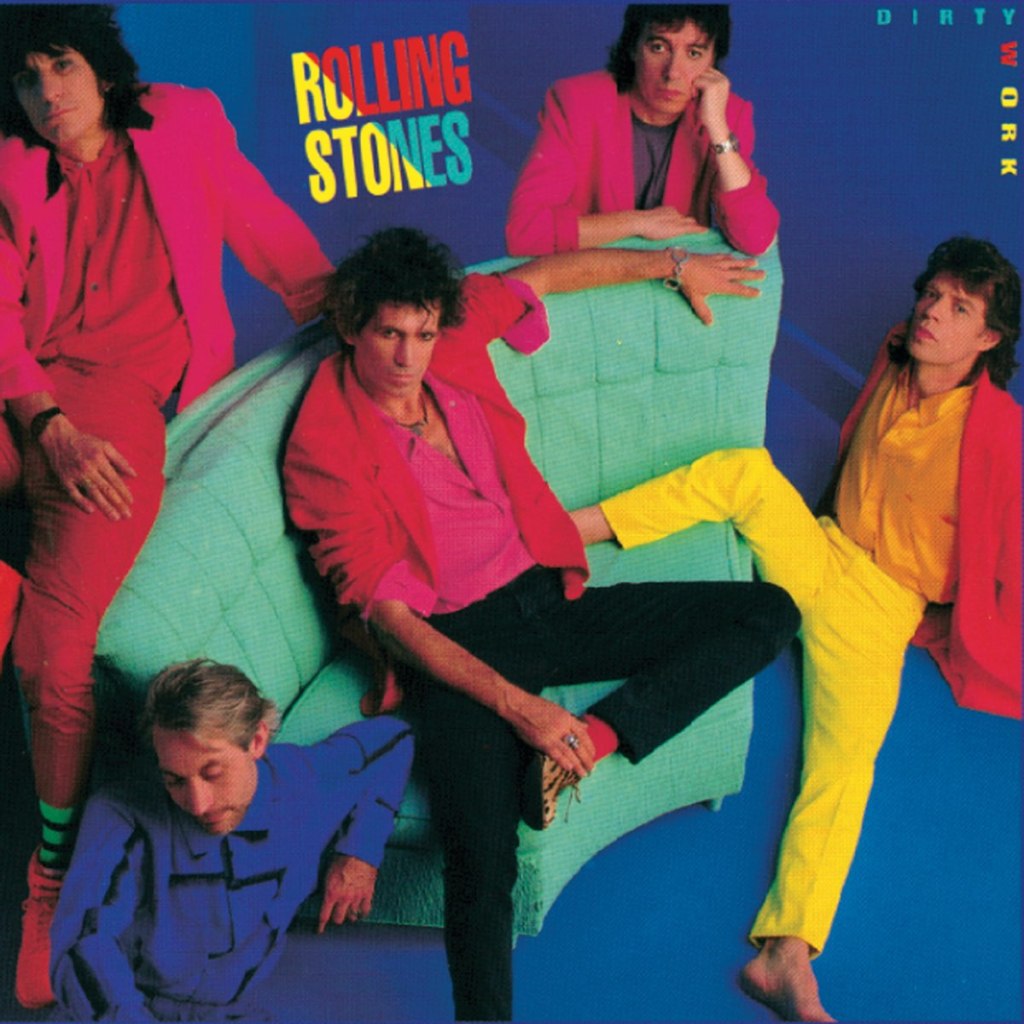
Look at that cover. Now, look at it again. There is no way that anything good could come out of this. Dirty Work was made at the absolute nadir of the Stones’ career. They hadn’t toured since 1982 because of personal issues, and Mick and Keith were hardly on speaking terms. Jagger wanted to more fully explore the sounds of ‘80s pop rock, while Richards staunchly refused to move beyond his beloved blues. Charlie Watts was recovering from heavy drug addiction, and Ronnie and Bill were fed up with everything. The resulting album is extremely lightweight with painfully hollow ‘80s production. Since no one’s heart was in it, they didn’t come up with any number of good songs. Opener “One Hit (To the Body)” is the best track, and the other single is the horrendous cover of “Harlem Shuffle.” The one piece of touching quality comes at the end, with the half-minute piano snippet of “Keys to the Highway.” It is played by Ian Stewart, who was originally in the band when they formed in 1963. Management asked him to step down when they were first signed to a label. Why? They said six people is too many for a rock band, and he didn’t visually fit in with the rest of the group (he was slightly older and more-clean cut). Believe it or not, he did step down, but remained their piano player and road manager until his death in 1985. It’s understood that the other Stones looked up to him greatly, and this tribute is a sweet reminder to all of what they lost with Stewart. Upon release Dirty Work did not do well, and they did not tour behind it. It’s no wonder that by the late Eighties people wondered if the Rolling Stones were finished.
18. Emotional Rescue [1980]
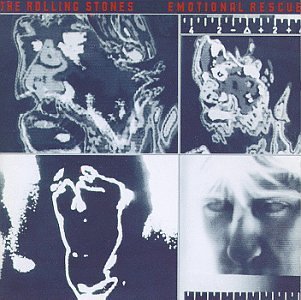
Charting one of their biggest hits ever with 1978’s “Miss You” made the Rolling Stones say, “oh, you like disco? Okay!” They then went into the studio to explore everywhere that they could take disco, and produced Emotional Rescue. The Rolling Stones aren’t necessarily bad at playing funk – as a rhythm section, Watts and Wyman are tight and supple, and can play pretty much anything. But lots of the songs get kind of lost in the process. Single “She’s So Cold” is catchy and kind of fun, and the title track is an almost-classic that is supreme Jagger cheese. Much of the rest is pretty loose and lightweight, and it becomes clear that this direction is a dead end for the band. They would rectify it on their next release, but as it is Emotional Rescue is an oddity in their discography. It would sound pretty good in the background of a party, though. Even the lowest rated records have their merits.
17. Undercover [1983]
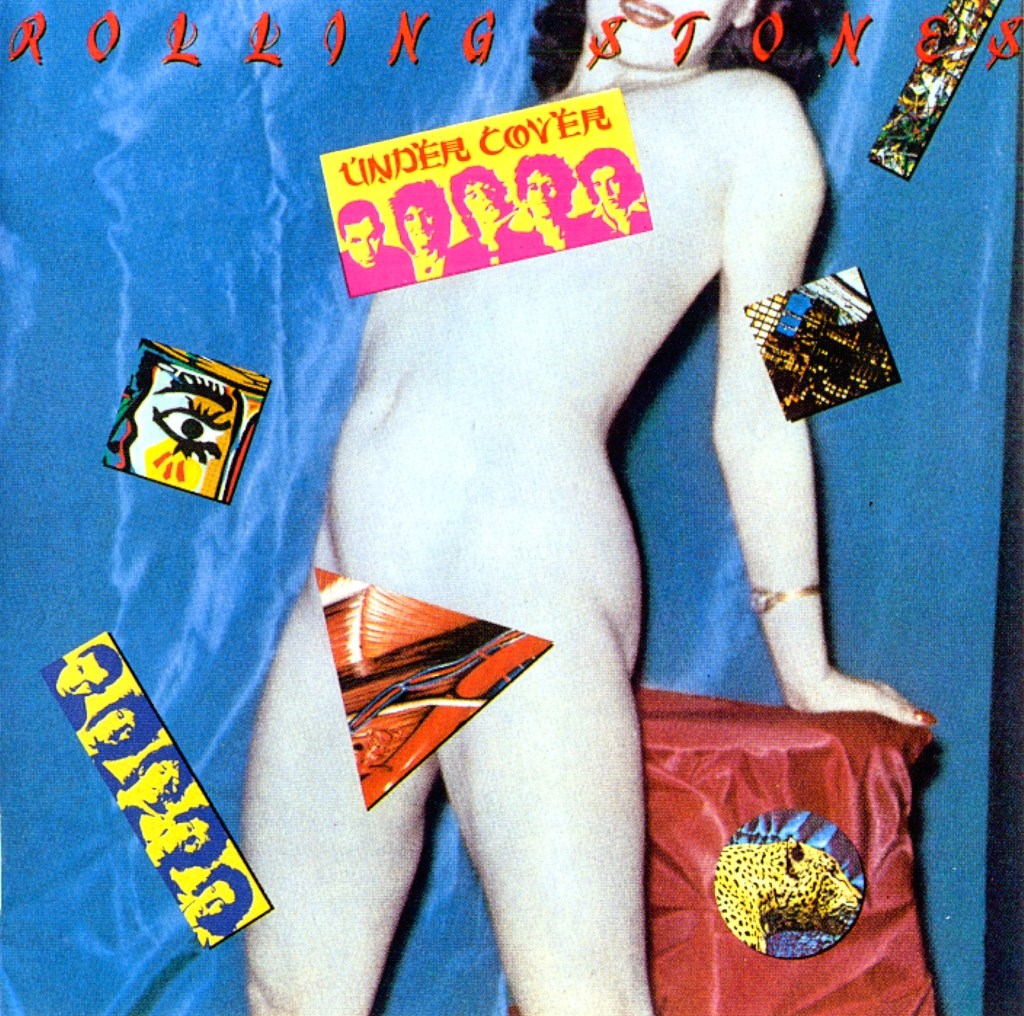
After the surprising success of 1981’s Tattoo You, the Stones felt licensed to stretch a little bit, and experimented with the New Wave textures that at the time were changing the musical landscape. The resulting album isn’t completely trash, but it’s one of their weaker efforts nonetheless. Pseudo-title track and opener “Undercover of the Night” is actually one of my least favorites on the disc, as it’s very repetitive and has poor production. After that, though, there are some interesting sonic textures. There’s a very seedy vibe to this record, like a garish over-exaggeration of Jagger and co.’s reputation. While they don’t pull everything off, it’s still something that they tried. The band began a long period of inactivity after the release of Undercover fueled primarily by Mick and Keith squabbling for control of the group.
16. It’s Only Rock ‘n Roll [1974]
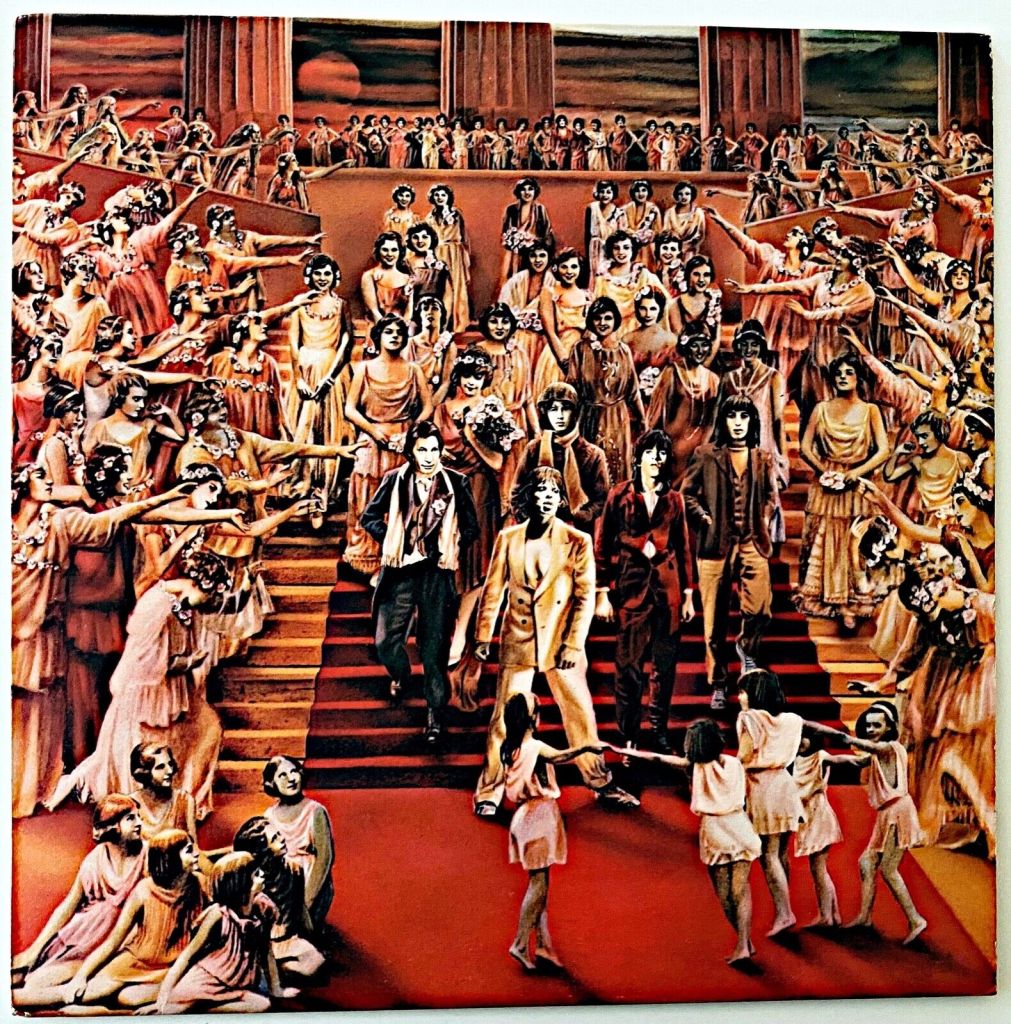
In 1974 the Rolling Stones probably felt on top of the world, being considered by many to be the greatest rock band on earth. They lived in their own little bubble surrounded by yes-men and groupies, indulging in pretty much anything they wanted. That indulgence bleeds into It’s Only Rock ‘n Roll. The cover portrays them as golden lords descending from a pillared palace, flanked by adoring crowds. (‘NSYNC nicked the design for their Celebrity album.) Production is overdone yet the musicians play well; the title track is a classic ode to the good stuff that is rightfully famous. Yet on much of the rest the band seems to lack the urgency of their earlier material. It ends with “Fingerprint File,” which is the first sign of a fascination with funk and disco that would become more prominent as the rest of the decade wore on. This album was also the last to feature Mick Taylor on lead guitar, who left the band in 1975 because he felt that his songwriting contributions were not being appreciated by the rest of the band (i.e. Jagger and Richards). There is one quality that often runs the risk of spoiling the Stones: they have a sleazy campiness to their delivery and aesthetic. In the right amounts it adds a winking danger that defines their personality. When laid on too thick it’s cringey and turns me off from the merits that do exist. It’s Only Rock ‘n Roll, as well as the few albums ranked below it, are the fullest examples of this overindulgence.
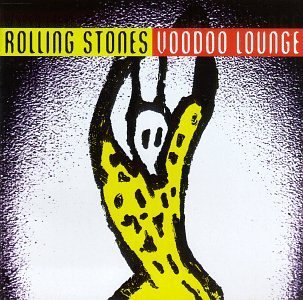
15. Voodoo Lounge [1994]
Voodoo Lounge is their first album after the departure of founding bassist Bill Wyman. It marks the start of a new era for the band in other ways as well. As such it begins their ongoing collaboration with Darryl Jones on bass. The record also marks the start of a new era for the band in other ways as well. From here out it seems that Richards steps up more on lead guitar, trading off duties with Wood more equally. It’s always a good thing when Keith Richards plays more guitar. Finally, it’s the point where they truly seemed to become an oldies act. While their new music remained popular on the strength of their reputation, they really stopped trying to be anything new or different, and began giving the people what they want. Everything on Voodoo Lounge sounds good, but it’s also all pretty unmemorable – variations on what they’ve done before. It’s better than an outright failure by any measure, and sets up a crowd pleasing second act to their career as elder statesmen. But it’s also nothing to write home about. (This was, notably, the first Stones album I listened to in its entirety as a teenager, due simply to the fact that my father had it on CD).
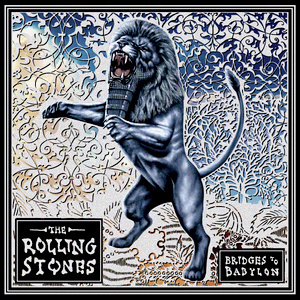
14. Bridges to Babylon [1997]
Let’s take a moment to talk about producers. Unlike their perennial comparisons The Beatles, the Rolling Stones never had one key collaborator like George Martin to shepherd them through their career and make audible their wildest ambitions. Rather, the Rolling Stones’ career is a story of trading out producers in an effort to best capture what they envision for the studio.
From the earliest recordings through 1967, the band were produced by manager Andrew Loog Oldham, who surely exerted a great deal of sway in those early days. After parting ways with Oldham, they hooked up with a guy named Jimmy Miller, who produced them until 1974. Perhaps not coincidently, it was during Miller’s tenure that they produced their most heralded work. From 1974 onward, Mick and Keith co-produce everything as “The Glimmer Twins.” In the Eighties they did one record apiece with Chris Kimsey and Steve Lillywhite, then over the past 30 years have collaborated with Don Was.
Except for Bridges to Babylon, which uses a smorgasboard of big-name producers. Most notable among them is The Dust Brothers, a sample heavy duo known for working on records by the Beastie Boys and Beck. After so many years in a studio, first learning from others then going their own way, bringing in outside producers demonstrates that either you want to chase a certain sound and they know how to get it, or you don’t know what to do and need a push in any direction. Bridges to Babylon seems like the latter, but to all involved’s credit, it is a decent album. The more hip-hop influenced production laid the groundwork for some more funky playing from the band. “Anybody Seen My Baby?” is a sinewy ballad, and “Saint of Me” is a groover. It all works because instead of being beholden to conventions of genre, or trying to appropriate another, they look to see how elements of other styles can compliment their already defined sound, and make music accordingly. It’s not the all time greatest Stones, but I’m not mad at them for adding new sounds to the oeuvre.
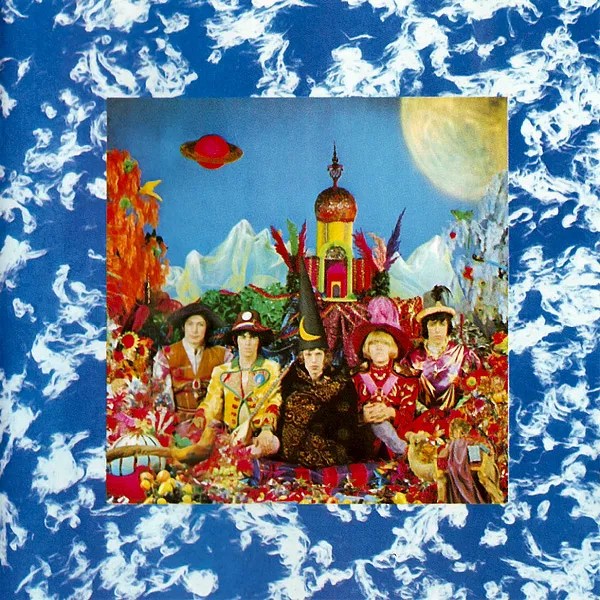
13. Their Satanic Majesties Request [1967]
This album, released in December of 1967, is probably the most singularly unique in the Rolling Stones’ discography. It was a Brian Jones driven project without a doubt. People often malign this era of the band because of their turn toward the psychedelic. (Case in point, it’s a pretty blatant rip-off of Sgt. Pepper’s Lonely Hearts’ Club Band.) True, the Stones’ version of psych lacks The Beatles’ musicality and charm, but there is a baroque decadence that is fascinating. “She’s a Rainbow” and “2000 Light Years From Home” are the finest examples. In “Another Land,” we get to hear Bill Wyman’s ONLY lead vocal. Of course, there are some oddities: “Gomper” goes way overboard on the sitar, and “Sing This All Together (See What Happens)” has so much aimless noodling that it makes the Grateful Dead sound like J.S. Bach. Both the earlier Aftermath and Between the Buttons are better psychedelic Stones. I have a higher tolerance for this sort of stuff than many, but upon repeat listens the overwrought production becomes grating. So while it is a consistently interesting side note in their catalog as an artifact of historical kitsch, it is the definition of outlier.
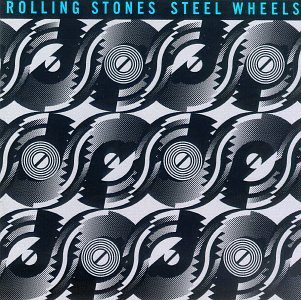
12. Steel Wheels [1989]
This was the Stones’ big Comeback Album after almost a decade of flagging sales and artistic floundering. Steel Wheels was made to be an explicit callback to their hard rock days, and it was advertised as such. All in all, it was a success, and brought the band out of the slump to set them as leaders of the old guard, a position that they have not abdicated since. There is a commercial ‘80s sheen to all of it, but overall the playing is energetic and the strongest songs – “Mixed Emotions,” “Rock and a Hard Place,” “Slipping Away” – are quite good. There’s also the weird worldbeat experiment “Continental Drift” that is forever of its time. Overall Steel Wheels is far better than the majority of their ‘80s material, and while not an all-time great record, it’s the one the Stones needed to make at the time.
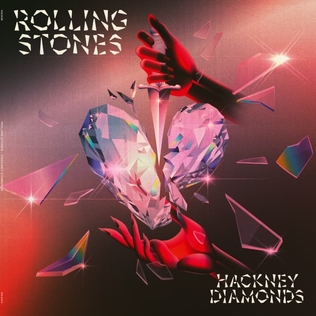
11. Hackney Diamonds [2023]
The narrative around Hackney Diamonds centered around the fact that there was a new Rolling Stones album at all in 2023. With the average age of the band being 79, and the 2021 passing of backbone drummer Charlie Watts, no one expected the band to release a record with such verve and energy. Apparently the lads had been workshopping material for years, but never fully committed to extensive studio time. After Watts’ passing, the remaining Stones felt galvanized enough to come together and finally hone the long gestating music. They chose producer Andrew Watt to help update their sound for the modern era, and called in drummer Steve Jordan (known for work with Keith Richards’ X-pensive Winos and John Mayer’s blues trio, and hand picked by Charlie as a successor) to hold down the beat. Both calls were remarkably successful. Jordan plays with a propulsive looseness that lights a fire under the rest of the band. Watt’s production is crisp and lively, and positions the record to sit well with 21st century listeners while still retaining the band’s signature swagger. Highlights are lead single “Angry” and “Bite My Head Off,” the latter of which sees Paul McCartney guest on bass and lay down a fuzzy solo. Two tracks actually have Charlie on drums, including “Live by the Sword,” which also features Bill Wyman on bass. This makes it the last song to ever find the “original” band playing together (excluding Ron Wood, the perpetual new guy since 1976). The intervening selections show Jagger reckon with his age and place in the modern world, although you can tell they are trying just a little too hard to be hip. Penultimate track “Sweet Sounds of Heaven” features Stevie Wonder on piano and Lady Gaga duetting with Mick. It’s an epic, soulful torch song in which the band finds time to vamp and Gaga delivers a typically powerful performance. It’s all concluded with “Rolling Stone Blues,” their cover of the Muddy Waters song which gave the band their name. It’s a humble capstone to their entire career. If Hackney Diamonds turns out to be the last Rolling Stones album (and considering their age, how long it took to get this out, and most importantly the absence of Charlie Watts, I’d put money on it) it is a very fitting sendoff.
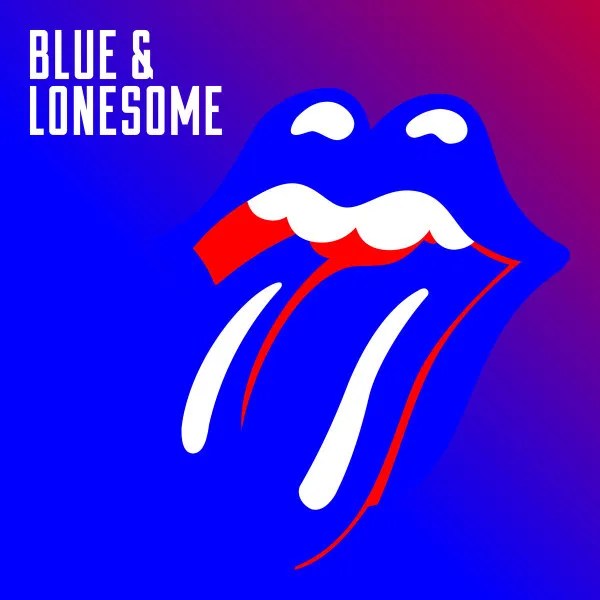
10. Blue & Lonesome [2016]
The Stones’ first and only album of the 2010s, Blue & Lonesome apparently came together serendipitously. The story goes that the band met in the studio to begin recording their newest collection of original material, and as a way to warm up they cut a few covers of their favorite old blues songs. They had so much fun doing so, and thought that the recordings sounded so good, that they kept on going. Eventually they recorded an entire LP’s worth of covers, so went ahead and released them as the new album. Blue & Lonesome is one of the best records they’ve cut in the latter half of their career, and I’m willing to bet that it’s because all the songs are covers. The playing is super loose, the sound of old pros having some fun playing songs they love from their youth. Mick Jagger plays harmonica all over the record, and sounds great. At the end of the day, the Rolling Stones are indebted to the blues like no other, and these songs are right in their wheelhouse. Blue & Lonesome served as an adequately unassuming yet tough holdover until Hackney Diamonds.
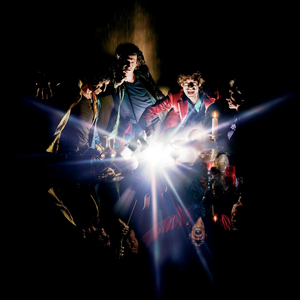
9. A Bigger Bang [2005]
Late career releases from veteran artists don’t have a right to be this good. The band doesn’t do anything different from what they’ve done in the past, but what makes A Bigger Bang so fulfilling is the sound and attitude of the record. Instead of holding pop-crossover ambitions like they did for the past several albums, the Stones just go in and cut 16 straightforward tracks of quality rock and roll. Don Was gives them an organic and muscular production absent any bells and whistles, and lets the songs and playing speak for themselves. “Rough Justice” is a stereotypical Stones opener, and “Infamy” is a sly subdued Keith-led closer. In between we have mature variations on pretty much every kind of song the band has done over the decades, recorded with confidence and conviction. We even get a rare political statement in “Little NeoCon.” It’s the sound of a band finally coming to terms with what they do best.
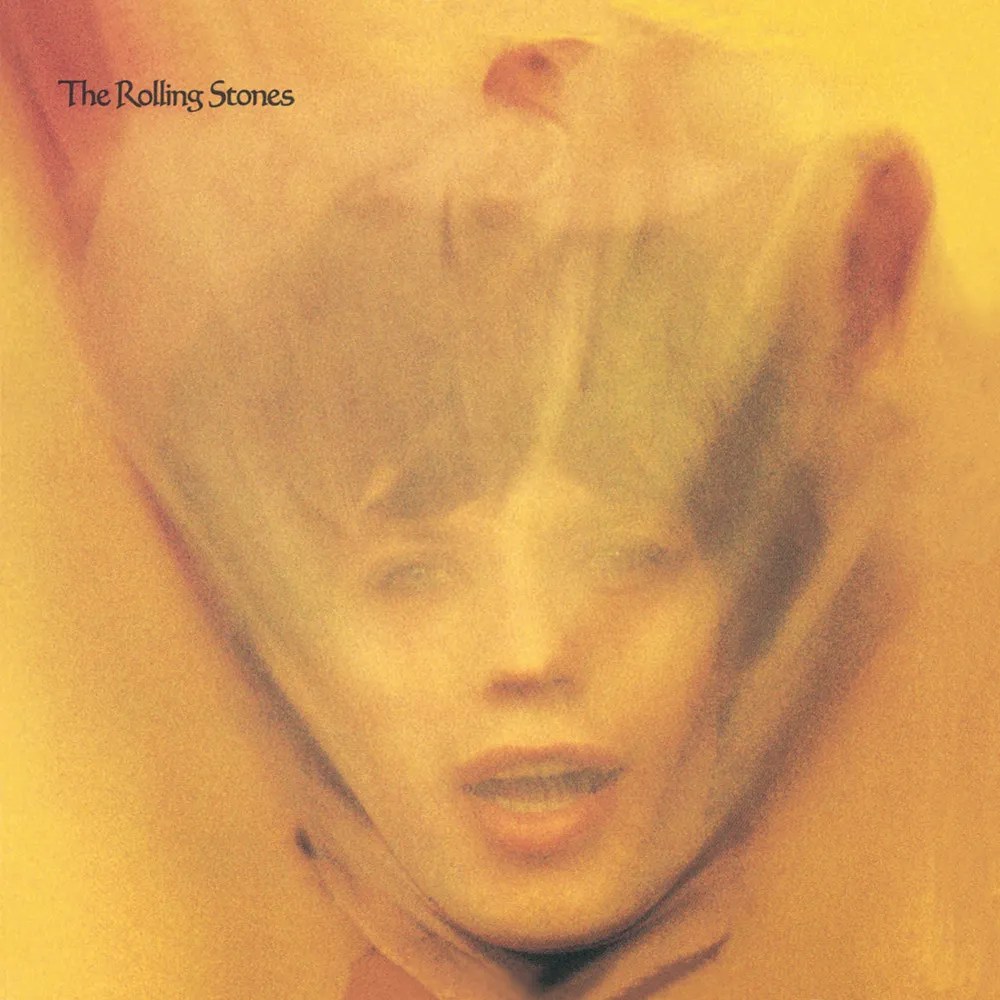
8. Goats Head Soup [1973]
Goats Head Soup unfortunately exists in the shadow of the Stones’ prior 4 albums, but don’t let that deter you. It’s very underrated. This is a dark and dirty record, the band’s success and indulgence catching up to them. Instead of causing burnout, however, Goats Head Soup finds the band digging in and letting it all hang out. At the time of release, critics cited it as the closest that the band had come to funk; not that you will ever confuse it for a Parliament record, but they do stretch out into some more rhythm based territory. “Dancing With Mr. D.” is a vicious opener, with the band unapologetically laying into their unsavory reputation. It’s surpassed in nastiness by closer “Starfucker,” whose title speaks for itself. In between we have the impossibly catchy “Doo Doo Doo Doo Doo (Heartbreaker)” and the hit ballad “Angie.” I don’t really know what’s up with the cover art, but you shouldn’t ever miss the chance to jam some early-to-mid-70s Rolling Stones. Overall, Goats Head Soup is a great nighttime listen.
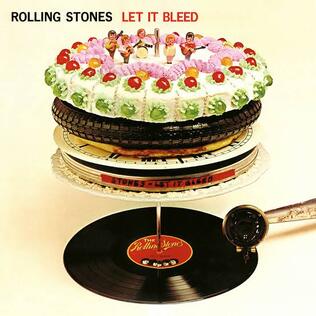
7. Let It Bleed [1969]
I hate to say it, but Let It Bleed is the most overrated Rolling Stones album. While it’s included in their “Big Four” albums released between 1968-1972, I feel that it’s the weakest of them. Why? Well, the addition of the “Country Tonk” goof is a missed opportunity; the inclusion of the real “Honky Tonk Women” would have improved the tracklist immensely. Beyond that, “You Got the Silver” is kind of boring, and “Midnight Rambler” pales in comparison to its live versions. The band had just added Mick Taylor on lead guitar, and he hadn’t quite yet made his mark. At the same time, it has some of their greatest songs ever, especially “Gimme Shelter.” The tone set by the snaking guitar is downright apocalyptic; it’s definitely a vibe. Then of course there are the vocals of Merry Clayton, who belts out one of the most commanding and emotional performances ever. She leaves even Mick Jagger audibly impressed. There’s also the title track, which sneeringly repudiates The Beatles’ optimism while still offering solidarity. Finally, it closes with “You Can’t Always Get What You Want,” an eternal dispensary of wisdom. So Let It Bleed is a mixed bag, but still sits solidly in the top half of their discography. The amazing songs are brought down a bit by weaker filler, but I wouldn’t ever stop someone from popping it onto the turntable.
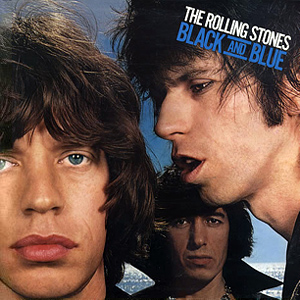
6. Black and Blue [1976]
As a converse from Let It Bleed, Black and Blue is the most underrated Rolling Stone album. On first glance it seems completely tossed off because it lacks the unified tone of prior releases and features simple artwork. Black and Blue was recorded essentially as a tryout for new guitarist Ronnie Wood, and he passes with flying colors. They basically just took every song idea they had and threw it all together, and the result is a diverse and fun collection of mid-70s rock. It opens with groovy “Hot Stuff.” Then there’s the fantastic “Hand of Fate,” which is one of my favorite Stones songs ever. It follows with the reggae “Cherry Oh Baby,” and later on we have the strange yet catchy “Fool To Cry.” “Fool to Cry” always kind of creeps me out, but I recently had a 20 year old guy tell me it was his favorite Rolling Stones song, so…there ya go.

5. Tattoo You [1981]
Tattoo You is the last truly great album that the Rolling Stones have made, to this day. It’s divided in half thematically, with the first side being all upbeat rockers, and the second half being all ballads. You’d think that this approach would make each side wear out its welcome, but every song is so good and unique that what it actually does is create two distinct and sustained moods that show off both sides of the band. “Start Me Up” is the big hit, pretty much guaranteed to be heard at every concert until the end of time. “Hang Fire” is a fun catchy number, and “Slave” is a bumping and grinding workout that goes on and on in the best way. We also have “Little T&A,” in which Keith sings about a couple of his favorite things. The second side ballads are all strong as well (see the atmospheric “Heaven”), but the absolute knockout is closing number “Waiting on a Friend.” It’s such a warm and good natured song: no, I’m not here to pick up chicks, I’m just hanging with a friend. The Sonny Rollins saxophone solo at the end is transcendently beautiful, and carries the listener out into clouds of bliss. Tattoo You captures the ‘80s sound that the band should have continued with through the rest of the decade. They didn’t, but this album still stands as a testament to how great of a band they are.
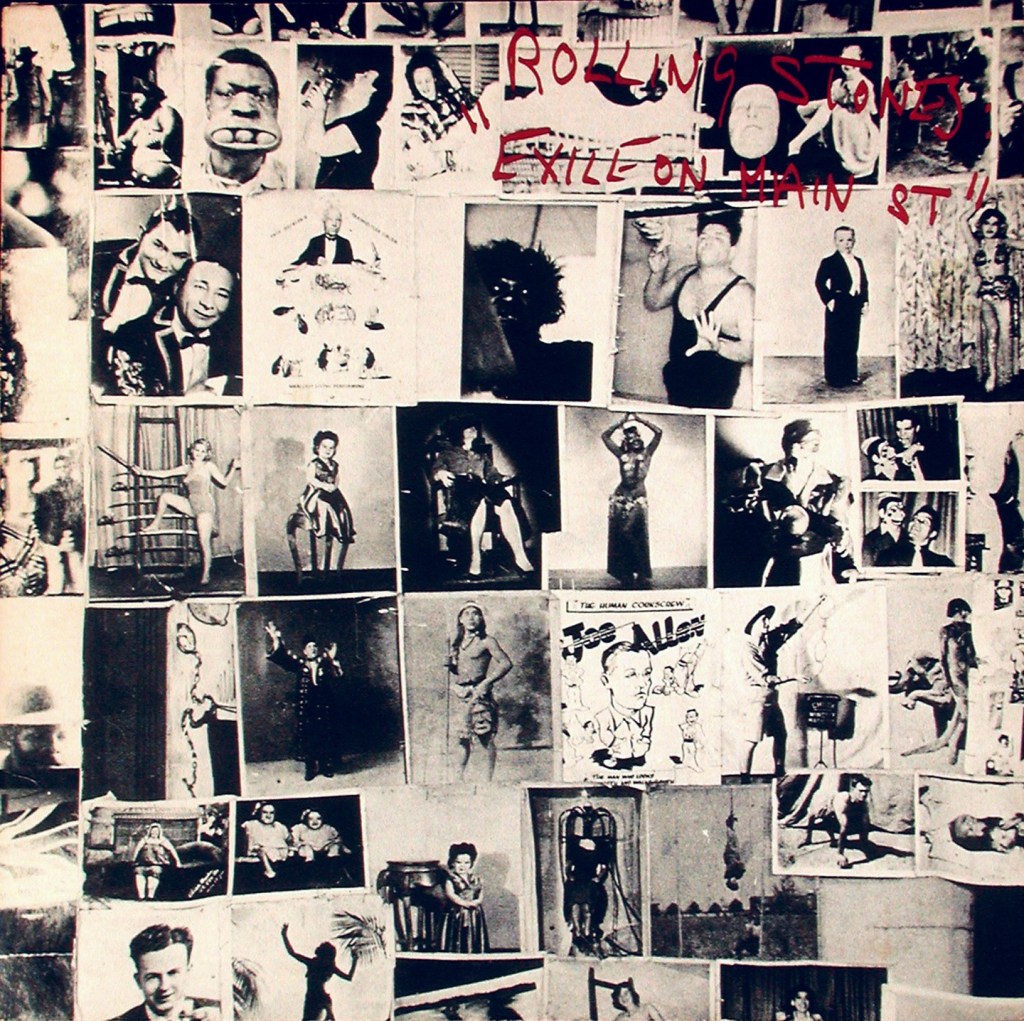
4. Exile On Main St. [1972]
Exile On Main St. is a legendary album, period. Many cite it as the Stones’ best, and while I’m not going to argue against them, I can’t put it at my personal top. Ironically, the aspects of the record that hold it back from being my favorite are the very same qualities that make it so good in the first place. What do I mean? As always, some context is needed. Exile On Main St. was recorded in a rented villa in the French countryside. The band and their inner circle and hangers-on were there because they had committed tax fraud in Great Britain; if they returned to their native isle, they’d be arrested. So in their minds, they really were outlaws on the run. Word is that the atmosphere at the villa reflected such a mindset: constant drugs and partying, with days and nights often blurring together. A makeshift studio was set up in the basement, and recording usually occurred late at night. The resulting double album is a smorgasbord of every style under the moon, from rock to blues to country to folk to soul to R&B, all rolled up into a big demonic stew. Exile is the most rustic and raw record they’ve ever made, the roughness giving room for the damaged emotion to bleed through the cracks. There’s so many good songs. The party starts with “Rocks Off,” then slams into the hard AF “Rip This Joint.” “Tumbling Dice” is a perfect song, one of their best ever, just a perfect example of their ramshackle soul. There’s the drunken singalong “Sweet Virginia,” “Torn and Frayed” is impossibly weary in the best of ways, and “Loving Cup” is a triumph. The second half starts with the eternal Keef lead anthem “Happy.” “All Down the Line” would be the best song on any other album, and “Shine A Light” showcases an epically bright Mick Taylor solo. The problem with a double album, of course, is there’s a lot of filler, and the looseness of the other tracks just doesn’t hold together as well as these named selections. That said, the dark magic of Exile On Main St. is that it all blurs together to create a singular mood – one of late nights, rowdy parties, and stoned reflection. It’s their ultimate vibe record, unbeatable.
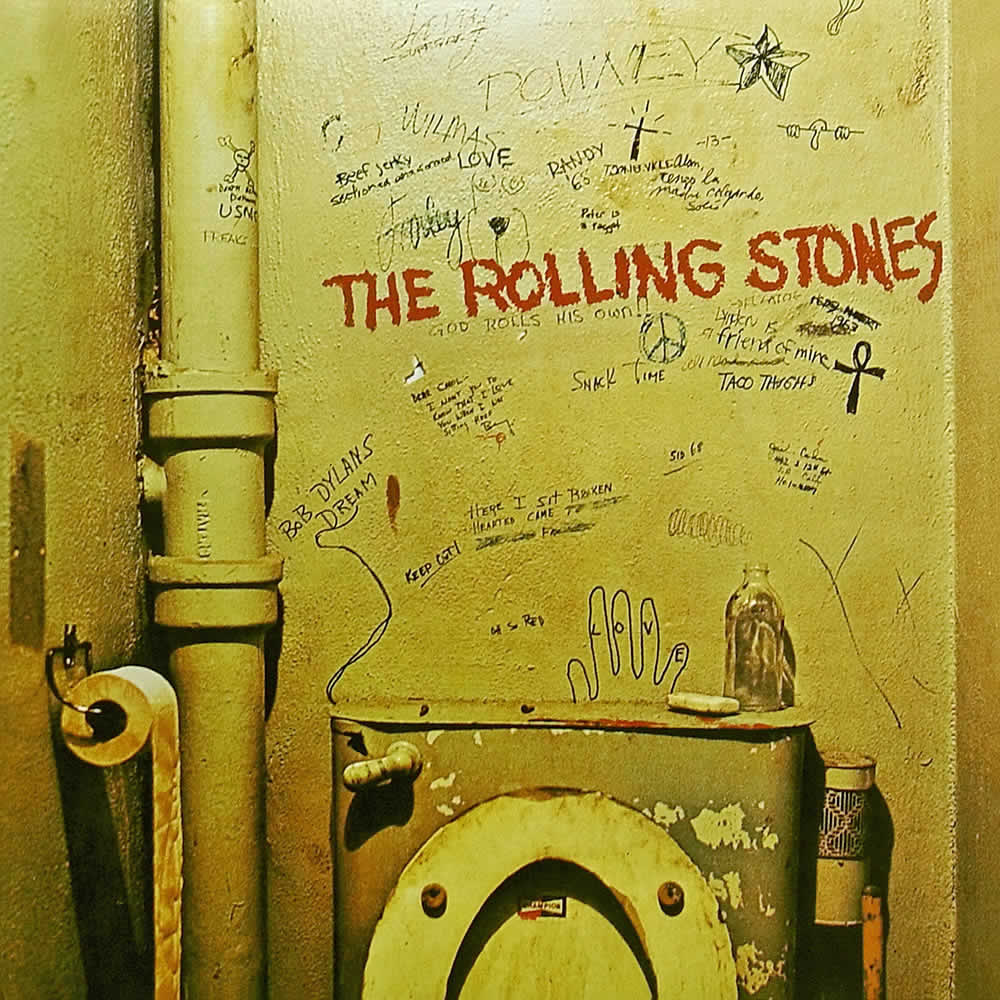
3. Beggar’s Banquet [1968]
The Rolling Stones got psychedelic in 1967 with Their Satanic Majesties’ Request. After a tepid response that got them pretty much universally accused of “ripping off of The Beatles,” the band veered in the opposite direction. Instead of the high-minded psychedelia that was so en vogue over the prior couple years, the Stones embraced both down-home, acoustic based blues as well as nasty gutter rock n’ roll. This avenue adhered much more closely to their strengths and long term tastes, and ended up pretty much solidifying the sound and aesthetic of the Rolling Stones for the rest of their career. Unlike subsequent projects, however, the sound of Beggar’s Banquet is still fresh – it’s crazy to realize that, as cliche as the Stones’ sound is nowadays, this is pretty much the first time it was heard. And we see why it stuck around. It’s way harder than much of what was out there in 1968. “Sympathy For the Devil” opens up the proceedings in truly epic fashion, with Latin rhythms, leering Jagger vocals, and perhaps Keith’s all-time greatest guitar tone. Next is the beautiful “No Expectations,” featuring stellar slide guitar playing from Brian Jones. It’s really his last essential contribution to the band. In other areas, what really sets this tracklist apart is Jagger’s lyrics – he strives throughout to hit a sort of Dylanesque commentary. “Jigsaw Puzzle” is all swirling imagery, and “Street Fighting Man” a pounding commentary on the decade’s social unrest. (I also feel that “Street Fighting Man’s” anthemic power greatly influenced Oasis in particular, twenty years down the road.) Things conclude with the vicious “Stray Cat Blues” and Richards-lead proletariat singalong “Salt of the Earth” Overall Beggar’s Banquet isn’t just a great leap forward by the Stones (achieved by looking back towards their roots). It’s an all time classic rock masterpiece that displays more depth, emotion, and danger than anything else the group released in the Sixties. Absolutely essential.
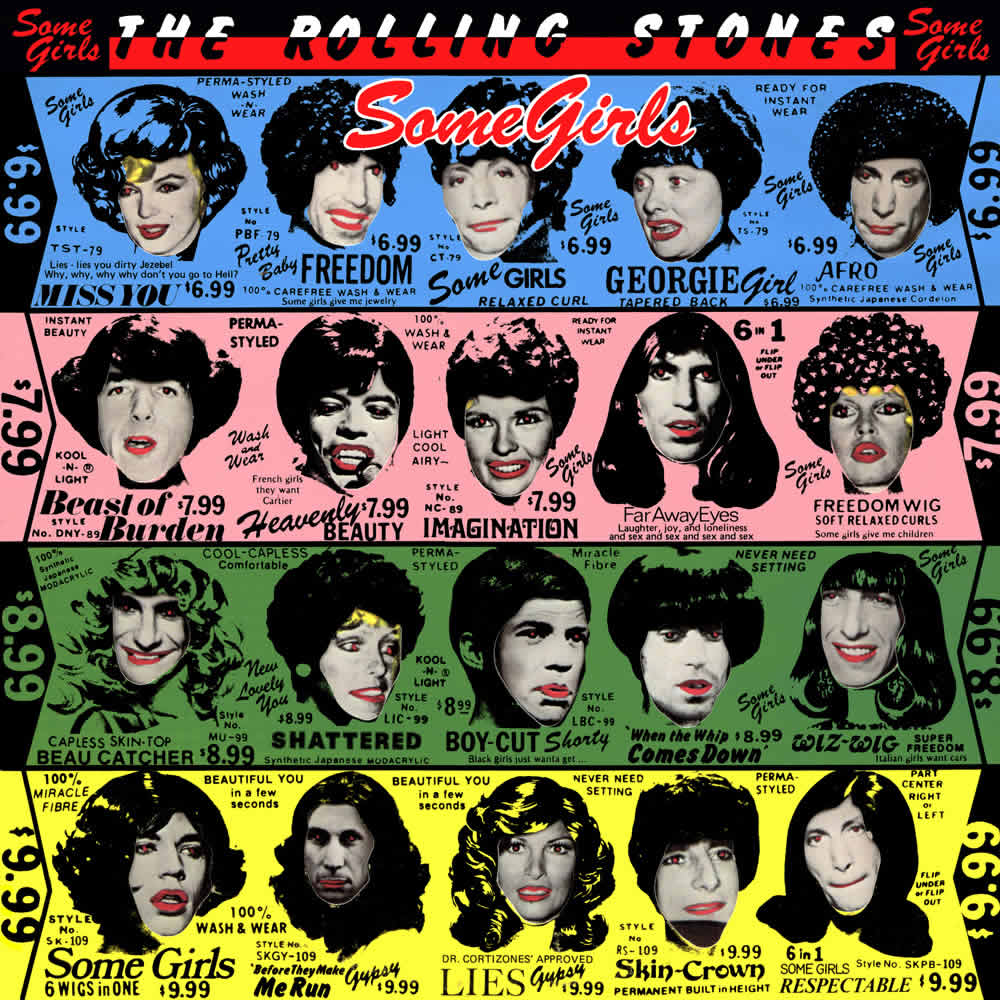
2. Some Girls [1978]
I freaking love Some Girls. The critical line is that it sees the Stones react to the rise of both disco and punk by reinvigorating their sound and incorporating new ideas. I slightly disagree – there isn’t too much here that they had never done before, but there is a newfound energy to their songwriting and performance, topped off with a slightly more commercial production that emphasizes the hooks but loses none of the swagger. It all results in the most purely fun record the Rolling Stones ever put out. Lead-off single “Miss You” is by far the best disco-influenced song they recorded, with a bumping rhythm track from Watts and Wyman and a tongue-wagging Jagger performance that contains so many great lines. It’s obvious why “Miss You” is still a dance-floor smash today: it’s simply a great jam. Scattered throughout the tracklist are songs (“When the Whip Comes Down,” “Lies,” “Respectable,” and “Shattered”) that are just straight-up gut level rock ‘n roll. There’s also the grinning cover of The Temptations’ “Just My Imagination (Running Away With Me)” and the ultimate Keith Richards outlaw anthem, “Before They Make Me Run.” Rounding out the setlist is the hilarious country parody “Far Away Eyes,” the slinky hit ballad “Beast of Burden,” and the title track. “Some Girls” the song is actually quite shocking in how outright dirty and even offensive it is, as Mick Jagger lists out all the things he likes about women of different races. But it’s a great song that you let slide because…well, he’s Mick Jagger. It’s funny to think that at the dawn of 1978 the Stones were considered on the verge of becoming obsolete has-beens. The success of Some Girls completely dispelled this notion, simultaneously putting them firmly back in the mainstream and reaffirming their cred. After 45 years, as I’ve said, it still holds up as a cool, sexy rock record. It’ll always get the party started.
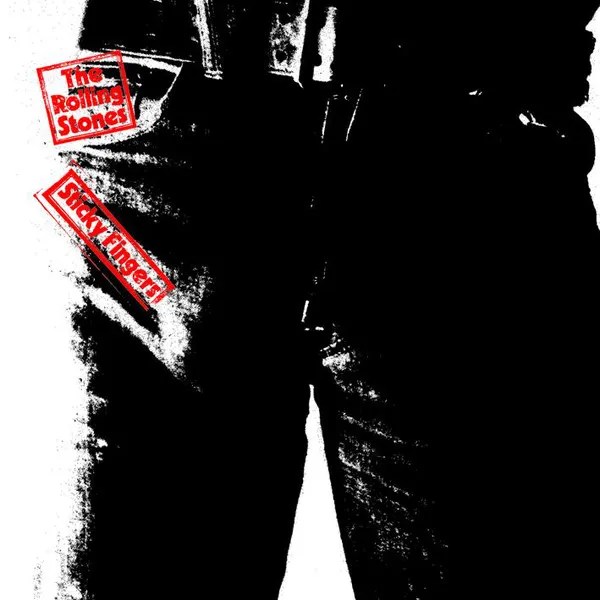
- Sticky Fingers [1971]
If you want to properly hear The Rolling Stones the way that they are supposed to be heard so that they are not only enjoyed, but understood, this is what you do:
Go to a dive bar in one of the following cities: Savannah, Los Angeles, Asheville, Tallahassee, Austin, Orlando, or New Orleans. The dive bar needs to be more than a decade old, allow smoking inside, have drink specials on domestic beer, billiards, darts, predominantly wood finishing on most surfaces, and decor that combines local history with lewd novelty. Most importantly, this dive bar has to have a jukebox. Wait until between the hours of 11:00pm – 1:00am (by which point your party should have already polished off 2 pitchers) and play “Can’t You Hear Me Knocking.”
If done right, you will feel exactly what it means to be part of “the night.” You will feel a level of degeneracy and squalor, a thrill of tenuously living in the moment while ignoring the consequences that will meet you on the morrow. You’ll share in this camaraderie with not only everyone else partaking in revelry at your given establishment, but across the world and throughout time. The Rolling Stones are the band that best both embodies and conjures this mindstate, and Sticky Fingers is their purest distillation.
Recorded in various studios across America during the band’s 1970 tour (but most prominently at Alabama’s famed Muscle Shoals Sound), the record is more infused than ever with American style soul, blues, and country. Yet those are really flavorings on the base of the hardest, dirtiest rock they would ever record. With lead guitarist Mick Taylor firmly entrenched in the group dynamics, they stretched out more consistently then at any other phase of their career and freed up Keith to do what he does best – lay down grimy riffs.
The record opens with “Brown Sugar,” which again has astoundingly offensive lyrics that seem to be about both drugs and women, but also a rhythm and horn chart so confident that you can’t help but start the party. Next up is “Sway,” one of my top-5 Stones songs. It’s brawny yet also weary, perfectly matching up with Jagger’s ghostly vocals about being caught in that “demon life.” It features a blistering lead performance from Taylor. Next up is a pure country song in “Wild Horses.” Legend has it that the song was ghostwritten with Gram Parsons, and the lonesome tune echoes his cosmic Americana aesthetics, with some of the most sincere lyrics Jagger ever sang.
Then comes the aforementioned “Can’t You Hear Me Knocking,” for my money one of the greatest rock songs ever. It starts right off loose and hard, with the song falling apart as the band plays (perfect messy Stones), before sliding into a laid-back Latin rhythm. Longtime saxman Bobby Keys lays down a bumping solo, before stepping back for Mick Taylor to take us home. Taylor’s guitar solo – a smokey, backlit tour de force – is genuinely an all-timer. He snakes around the fretboard, coaxing flames higher and higher until the rest of the band builds up to an iconic closing. The first side’s epilogue is “You Gotta Move,” a rustic, down-home blues cover that surveys the wreckage left from before.
Side Two opens with the hard driving “Bitch,” but the real highlight for me is “Dead Flowers.” It’s one of the ultimate break-up songs, a salty kiss-off to an ex-flame in which Jagger sneers his way through put downs that sound dejected and triumphant simultaneously. “I Got the Blues” is a solid yet unremarkable blues, and “Sister Morphine” is a dark midtempo piece co-written by Richards’ then girlfriend Marianne Faithful, who actually put out a version first. The last number “Moonlight Mile” is genuinely one of the best album closers ever. It’s a moody ballad about the weariness of life on the road and the pressures of constantly having to be “on” despite being a real person as well. The lyrics are quite evocative of existential loneliness (Robert Christgau even compared them to Yeats), while the musical accompaniment is frankly gorgeous. The back half of the song is buoyed by a haunting string arrangement that soars and settles down in a back alley, lit by a lone bedroom window light, somewhere.
Sticky Fingers was a success upon its release and is seen as the third of The Rolling Stones’ all-star four album streak from 1968 – 1972 (Beggars, Bleed, this, and Exile). This run is widely considered one of the truly GOAT eras in rock history, and to me Sticky Fingers synthesizes all of it. It has the weary looseness of Exile without its mirk or bloat. It has the dusty Americana of Beggars minus the lingering psychedelia, and it has the dark danger of Let it Bleed with stronger songs. All of the singular qualities of these other records are what sets them apart as something great, but Sticky Fingers mixes it all up into a debaucherous stew. Bonus points for sporting an Andy Warhol-designed art in which you can unzip the pants on the cover. I’ve written before about how the best Rolling Stone music sounds like it is pulled from the jaws of defeat, from the dredges of humanity to triumph over it all with a sloshed grin. Despite themselves, they can’t help but rock. Perhaps that’s why they are still going, 60 years into their career. Mick and Keef have to prove to themselves, more than us, that it was all worth it. Are the Rolling Stones the “greatest rock ‘n roll band in the world,” as they’ve been billed since the early Seventies? I won’t argue with ‘em. After all, as they say, a rollin’ stone don’t gather no moss.
That’s all, folks. This is the final word on The Rolling Stones. Nothing else needs to be written about them, ever.
 Then Play On